ARTICLES
Exploring the Depths of The Mith’s ‘Systeemu’.


By Ziyal Amanya (@ziyalogy)
Since the release of the groundbreaking album “The Ugandan” in 2020, which firmly established itself among the best Ugandan hip-hop albums in recent memory, The Mith has been anything but idle. This lyrical virtuoso has been a dedicated crusader for Ugandan hip-hop and the urban Kampala music scene, actively working both on stage and online to promote the genre and its artists.
In the period between the release of “The Ugandan” and his latest project, The Mith has maintained strong working relationships with his go-to producers, like Koz-N-Effekt and Simon Elly, two talented individuals playing pivotal roles in shaping the sound of Ugandan rap in general with Koz-N-Effekt bearing the brunt of the responsibility for The Mith’s previous album’s sonic cohesion. Simon Elly, on the other hand, has earned a sterling reputation for his exceptional sampling work, which has secured him a prominent position in Ugandan hip-hop production circles. The expertise and unique styles of these two producers have been instrumental in helping The Mith find and refine his own signature sound, a distinct blend that sets him apart from his contemporaries in the industry.
The Mith’s ability to collaborate effectively with Aethan in his earlier projects and Koz-N-Effekt in his more recent work has allowed him to develop a sound that is unmistakably his own–a sound that resonates with fans and makes him stand out among his peers. This powerful combination of talent and teamwork has undoubtedly contributed to The Mith’s success as one of Uganda’s leading hip-hop artists, and it’s exciting to see how the contribution of each one of these players will continue to shape the future of Ugandan hip-hop.
The Mith’s latest EP, “Systeemu,” is a testament that even a seasoned veteran can still grow as an artist, showcasing his ability to wrap his lyrical prowess in irresistible melodies and top-notch production – something he has never laxed on anyway. This six-track project features an array of outstanding songs that highlight The Mith’s versatility in style and theme, right from introspective tracks like “Conversations” to the infectious “Good Vibes,” which showcases Akeine’s powerful vocal performance and has understandably quickly become an anthem in Kampala and on Twitter.
The EP “Systeemu” not only showcases the production skills of other producers like Mugabi, Brice Ogweng, Mio Made It, and DJ Chapat, and the engineering expertise of Sam Lamara but also highlights The Mith’s dedication to growth. One notable example of this blending of styles is the expert sampling of legendary Ugandan singers Charles and Frida from the 1960s on the track “Stylo.” This isn’t the first time the duo’s music has been woven into contemporary Ugandan hip-hop; their work was previously sampled by Aethan for Navio’s song “Nawuliranga” on his 2011 album “African Hustler Music.” Sonically, “Stylo” pays homage to the past while forging a fresh and innovative musical future for Ugandan hip-hop.
“Conversations,” the opening track, serves as a heartfelt homage to his late grandfather. Produced by sampling maestro Simon Elly, recorded by Mio Made, the song was like the rest of the EP engineered by Sam Lamara. The track delves heavily into themes of grief, loss, rising up and legacy. The Mith explores the concept of carrying on the legacy of those who came before us. As he reflects on being named after his grandfather, he makes a personal promise to pursue an even greater legacy with unwavering focus and determination. Inspired by the encouragement of his grandmother, who always believed in his potential to shine brightly, The Mith contemplates his journey toward finding inner peace.
It showcases a side of The Mith that we haven’t seen in some time, revealing the depth of his thoughts and emotions, underscoring The Mith’s ability to combine powerful storytelling with his exceptional talent as a rapper. However, even with its introspective, deeply personal subject matter, “Conversations” does not set the tone for the rest of the EP – as the rest of the tracks take on a lighter and more upbeat mood.
The Mith’s commitment to making hip-hop more accessible to the average Ugandan listener is evident as the EP carries on. By incorporating familiar and popular local sounds without sacrificing his lyrical prowess, The Mith strikes a delicate balance that maintains the essence of hip-hop while broadening its appeal. On “Gwe Asiinga,” The Mith’s younger brother and podcaster TheCountMarkula showcases his songwriting talent. “Gwe Asiinga” picks up where “Good Vibes” left off, offering a danceable track that appeals to the trending urban sound of Kampala, similar to the experimentation seen with other rappers like Play01 and Adrenalyn Muzik.
“Gwe Asiinga” is another perfect example of how local hip-hop has experienced a phase of intersecting with Afrobeat and Kidandali, and The Mith has demonstrated his ability to navigate this crossover with ease. This is also evident on previous projects like the single “Nambi” featuring Blixxack that preceded the EP, as well as “Nyenya” featuring Tucker HD and Blixxack from his previous album, “The Ugandan.”
Throughout his career, The Mith has consistently demonstrated his ability to write engaging love-themed verses that appeal to the ladies. One such recent example is his contribution to the national hit “Amaaso Remix” with Winnie Nwagi and other Swangz Avenue stars. “Sunny Days,” the upbeat and infectious love song on The Mith’s EP, features an impressive lineup of collaborators, including Charmic Sentongo, Ebrahim Soul’O, and Niwe Akeine. Produced by DJ Chapat and recorded by Mio Made, this track marks the second time Akeine is featured on the EP. Akeine’s undeniable talent for crafting catchy hooks has made her the go-to vocalist for Kampala rappers since she burst onto the scene.
The inclusion of an Amapiano track like “Sunny Days” on The Mith’s EP is a reflection of the genre’s growing popularity in Kampala and across Africa. In recent years, it’s become almost essential for artists to have at least one Amapiano-infused track on their projects, given the genre’s widespread and viral appeal. ‘Sunny Days” offers a refreshing and upbeat vibe before the project concludes with “Taano Wange.”
“Systeemu” boasts a remarkable roster of skilled producers behind the scenes, including Mio Made It of ICON Studios, Simon Elly, Koz-N-Effekt, DJ Chapat, Dagg Mizzo, Mr. Mugabi, and Brice Ogweng from Muddy Boots. To round off the EP with a professional finish, award-winning hip-hop producer Sam Lamara took charge of mixing and mastering at Talent Africa Studios.
This latest offering from The Mith feels like a natural continuation of his previous acclaimed work, “The Ugandan.” It’s always refreshing to have a new, cohesive project from the leading names in Ugandan rap, and “Systeemu” is a welcome addition to the collections of discerning fans.
You can stream “Systeemu” here.









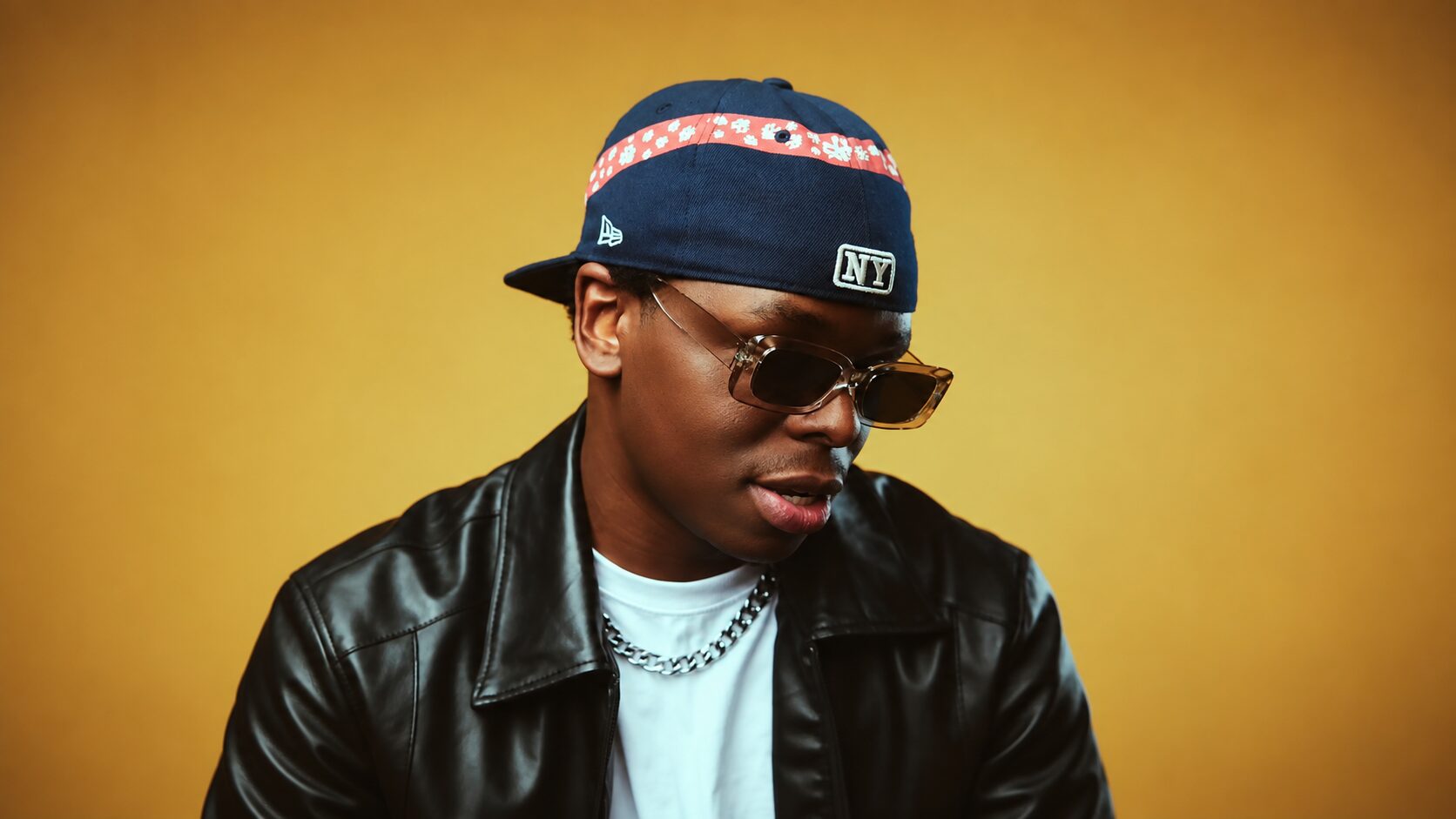
Ugandan vocalist, producer and multi-instrumentalist Kyle Simbwa has been selected as the latest artist to join Apple Music’s Up Next artist development programme in East Africa, marking another significant step in his growing career.
Originally from Kasangati, Uganda, Simbwa has steadily developed a sound shaped by a wide range of influences, from ’90s R&B and soul to ’80s synth-pop, Afrobeats and Hip-Hop. The result is a distinctive Afrobeat and Alté-inspired sound that reflects both his Ugandan roots and a broader global musical palette.
Speaking about the recognition, Simbwa described the selection as an opportunity to represent a new generation of African artists creating music on their own terms. “I want people to hear my music, feel where I’m from, and see how far it can travel,” Simbwa told Apple Music.
What makes Simbwa’s rise particularly interesting is how deeply involved he is in the entire creative process. Beyond performing, he works across songwriting, production, recording, mixing and engineering, giving him greater control over the development of his sound and creative identity.
Following the release of his debut project Person in 2025, he continued expanding his catalogue with songs including “Mwana Gwe,” “Love Me or Don’t,” and “East African Girl.” His live performance journey has also grown through headline appearances at Xpressions and performances at Afro Urban, alongside artists including Mike Kayihura and Kohen Jaycee.
In 2026, Simbwa is entering a new phase with East African Summer, a seven-track EP centred on themes of love, nightlife, freedom, movement and the experiences shaping a new generation of East African youth. The project brings together influences from Afrobeats, R&B, Hip-Hop and alternative African music, while remaining grounded in Simbwa’s Ugandan identity.
It is a project that speaks to the increasingly confident creative language coming out of East Africa, music that feels local in identity, but global in ambition.
What Apple Music Up Next Means for Kyle Simbwa
As Apple Music’s latest Up Next artist in East Africa, Simbwa will receive increased visibility through Apple Music’s Up Next platform, which spotlights emerging artists selected by Apple Music editors from around the world.
The global programme has previously featured artists who went on to become major international names, including Billie Eilish, Burna Boy, Rema, Tems, Megan Thee Stallion, Bad Bunny, H.E.R. and Daniel Caesar.
For Simbwa, the recognition adds momentum to what has already been a deliberate journey of building his catalogue, refining his sound and representing Uganda within the wider East African music conversation. And as East African music continues to gain more attention internationally, his selection is another reminder that Uganda’s new generation of artists is increasingly positioning itself for audiences far beyond the region.


Last weekend we got our visas stamped as we took a trip into the B’raka Land. After a Euro-tour through Denmark, Finland and others… All the way to a sold out show in London, the fastest rising star on the African continent came back home to Kampala to deliver an epic concert on 29th November 2025, one day after dropping his debut album, JUVIE.
In one weekend, Joshua gave us so much to unpack. So, let’s start from the Music.
We have seen Joshua evolve from projects like Baby Steps, where songs like Tewekweka exposed some of us to his talent, all the way to Watershed, which let people know and confirm that he was for real. We journeyed with him through his Growing Pains, where the continental appeal was beginning to ring true, and then he gave us Recess. Through these many projects and countless features, Joshua has showed us his talent, consistency and heavy work ethic. It was constantly Moves on Moves until we finally got JUVIE.

Right from One of One, we knew we were in for some flames, and we did not have to wait to get them because the next song on the album, Morocco, delivered all the heat and then some. The song is a Banger, and from early reviews and reactions on the socials, it is clearly a crowd favorite. Joshua immediately follows this up with Dive In, which was released earlier as a single, so we already knew that JAE5 and Joshua Baraka had given us an anthem. The project does not slow down at all, as he continues into Still Young, another early crowd favorite, which confirmed that we were four for four with eight to go!
One of the things that made the listening process epic was the sequencing. After starting with all that heat, Joshua gives us a mini interlude, before slowing down the tempo with one of my favorite songs on the Album, This Time. It is a well written song with silky melodies and smooth vocals that will definitely appeal to the fans that are into his more afro RnB side.
Joshua kept the energy going with State of My Heart, which features Kenyan sensation, Bien, which he followed it up with Wrong Places, which spent most of 2025 as the number one song on Apple Music in Uganda and was by far the most streamed song on Spotify in Uganda this year.
Joshua Baraka’s Juvie makes for a nice, smooth and simple listening session, right from the start, all the way to the final song, So Low, featuring The Compozers, which was a perfect way to close the project and leave us on a high note.

By the time we got to Ndere Cultural Center for the concert, we were pumped and ready to get right to it. Those of us who knew all his projects and collaborations were eager to see what selection of songs he had picked to sing to us. Those of us who have watched him perform multiple times in the past were eager to witness his growth on stage and to be a part of yet another chapter of his story. Overall, there was a high dose of FOMO in the air. Before Joshua even sang, the show had already hit a number of positives in my books; great price structure from the early bird to the last day – This was perfect to allow the core fans to access and afford their night out with their superstar.
Another win for me was the strategic partnerships, from Talent Africa to Bell Citrus and Mirinda– this set up the perfect vibe and energy, making the drinks and food affordable, enabling every fan to have a total blast in this economy, especially with DecemBAR loading and Kampala about to throw event after event our way. By the time Joshua jumped on stage, the crowd was fully charged and ready to go! Shout out to Joshua and his team for ticking all the boxes.
The performance was great, overall. Joshua had great song selection, and did not leave us feeling as if we’d missed out on anything. He catered to the different fan groups that were present, from the day ones to the late comers. He even delivered some extra throwback fire for the older fans too. He picked the right collaborations in A Pass, IzabelUG, BigTril, Mun G and Maurice Kirya. We were not left wanting. And for any little thing that didn’t go according to plan, I just got more excited, because it just showed that there is still room to grow, and we can only trust that he will step right in and through that room.
Keep streaming JUVIE Here
By Byaruhanga Felix (@MrByaruhanga)
Oftentimes, you read reports indicating that the creative and cultural industry is one of the fastest-growing sectors on the African continent, expanding faster than oil & gas, mining, or many traditional industries. The backdrop of such reports is made up of institutions like Nafasi Art Space: a vibrant, innovative hub for artistic exchange in Dar es Salaam.
In a nutshell, Nafasi Art Space is a home for all creatives, from visual artists, performing artists, artisans, filmmakers, poets, musicians, to fashion designers. As a first-time visitor, I immediately felt that one of the things Nafasi derives its power from is embedded right in its identity, the name “Nafasi,” a Swahili word meaning “space” or “opportunity.” On that foundation, the leadership has created a home overflowing with possibilities, a place to create, learn, inspire, and provoke conversation in society, just as true art and artists do.
This home is not only a safe space for artistic expression, but beautifully inclusive. They continue to achieve this through outstanding programs such as the Nafasi Academy, Film Club, exhibitions, residencies, digital art lab, performing arts showcases, and more.
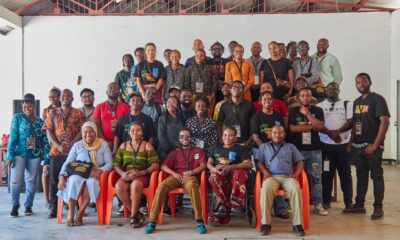
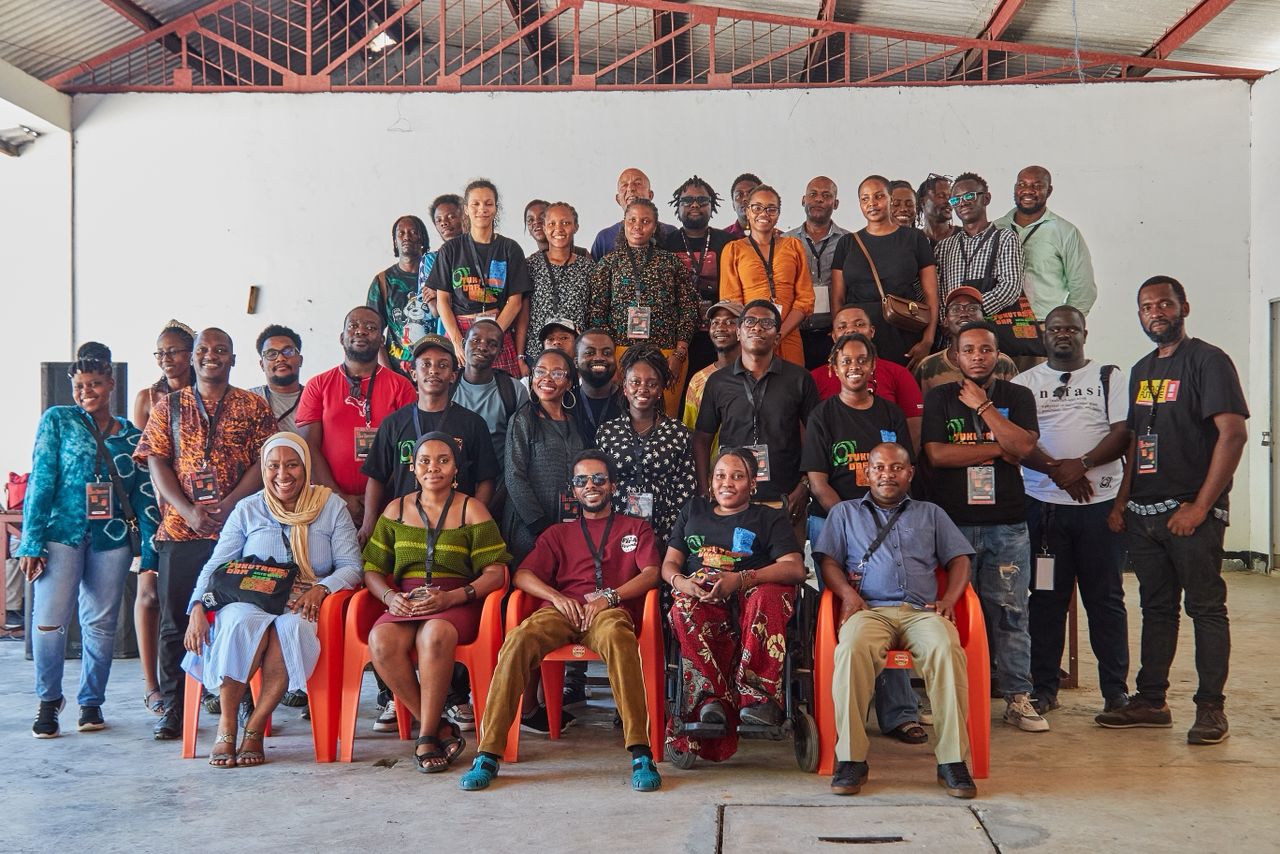
As November came to a close, Nafasi Art Space, in partnership with the Embassy of Switzerland in Tanzania and the Norwegian Embassy Dar es Salaam, hosted the 3rd edition of Tukutane Dar Arts Week under the theme: “Cross-Border Collaboration: For the CCI Sector Growth.” Tukutane was initially postponed for everyone’s safety due to post-election chaos, but with new dates confirmed (24th–30th November), more than 20 delegates from Africa and Europe converged at Nafasi to share knowledge, strengthen networks, and collaborate for a fruitful week of learning and cultural exchange.
One thing that hits you the moment you arrive at Nafasi is the energy and passion of the team behind the institution. From Fatma Mkota (Partnerships Coordinator) who welcomed and toured us around, to Gwendoline Charlotte (Marketing Manager) enthusiastically declaring, “I am here for content!”; Peter Lukumayi (Finance Manager) wearing multiple hats to ensure smooth operations; and of course Lilian Hipolyte (Director), the guiding force behind this dynamic ecosystem. Engaging with them makes it clear why Nafasi works: why the space feels like a sanctuary for creatives of every age, experience level, physical ability, gender, and discipline. This team of “Avengers” carried us throughout the week with a program that clearly took months of meticulous planning and resilience despite challenges.

Alongside this remarkable team was an equally impressive group of delegates, passionate creatives ready to contribute from their wealth of experience. Through workshops, roundtables, and hands-on sessions, we exchanged practical ideas and explored possibilities for breakthroughs across the sector.
The exhibitions highlighted milestone achievements from Nafasi programs, showing where they started, where they are now, and what the future holds. We celebrated the progress of the Film Club residency cohort, the curators graduating from the Nafasi Academy in partnership with the University of Dar es Salaam, and talented artists showcasing their evolution. The evenings were spiced with curated showcases, cooling down the Dar heat while heating up vibrant dialogue, from panels on building communities in film and fashion, to a delicious Swahili food experience.
These were spaces created by artists for artists, and the audience engagement made that clear. Views were shared openly, disagreements turned into progressive debate, and ideas translated into art in real-time. Some of these memorable expressions were immortalized through live graphic commentary by Nathan Mpangala (cartoonist & illustrator), now proudly featured on Nafasi’s social pages.

As Tukutane Dar wrapped up, we were treated to a powerful closing event where over 80 artists took the stage, a testament to Nafasi’s impact in nurturing and amplifying talent. Performances included legendary Tanzanian acts and rising stars alike, while artisans showcased and sold work crafted during their time in the Nafasi community. It was a clear demonstration of a thriving alumni ecosystem, one that continues to enrich the creative economy long beyond a residency or program.
From start to finish, Tukutane Dar Arts Week 2025 was a reflection of what happens when space meets opportunity, when creativity meets community, when collaboration crosses borders.
I return home inspired, hopeful, and eager to contribute to the continued growth of our continental creative ecosystems.
Looking forward to celebrating the successes of Tukutane Dar 2025, again, in 2027.

Kyle Simbwa Named Apple Music’s Latest Up Next Artist in East Africa

REVIEW: Sincerely AfriKane The EP

INTO THE B’RAKA LAND

Tukutane Dar 2025: How Nafasi Art Space is Powering Africa’s Creative Economy

Apply Now: Koola Kampala Business Incubation Programme for Creative Entrepreneurs in Uganda.

Mitch Isabirye on Poetry, Collaboration, and Culture: The Story Behind ‘Poetry in Motion EP’

Maritza on Breaking Continental Barriers with Spoken Word EP ‘Poetry in Motion’

Kohen Jaycee’s ‘Gundeze’: A Soulful Anthem of Love.

On the Move by Denesi: A Powerful Anthem of Hustle and Ambition

Reviving Nostalgia: Akeine and Henry Tigan’s “Out of Control” Remix.

WATCH: The Tribe UG On Urban Today.

Elevate Your Music Career: Join AUMEX’s Essential Branding and Marketing Masterclass

REVIEW: Kaboo ft. Tai Dai & Soundlykbb – Thursday

VIDEO REVIEW: Navio – Mad.

Afro B Unleashes Cross-Continental Vibes in New Single & Video ‘Wo Wo Wo (Ebony)’

REVIEW: “Heart Strings” EP by Kohen Jaycee x Axon

Angell Mutoni Drops Bold New Single “Kare” Ahead of Debut Album

KJ Spio, Harmonize & Konshens Unite for ‘Messi

Brian Babu and Regalia Apparel Launch Unisex ‘Uwili’ Capsule Collection

REVIEW: “Prolific” EP by MooTowNoh
REVIEW: Kaboo ft. Tai Dai & Soundlykbb – Thursday
VIDEO REVIEW: Navio – Mad.

VIDEO: Afrie – Balongo (Live)

VIDEO: Nkomyewo – Bana Mutibwa

The Tribe UG: Press Play | Break – The Homie
REVIEW: “Heart Strings” EP by Kohen Jaycee x Axon
REVIEW: “Prolific” EP by MooTowNoh

The Tribe UG: Press Play | Wake ft. Mal-X, Tucker HD, and Flex D’Paper – FLEX

The Tribe UG: PRESS PLAY | Pound Or Shilling